Come To Lombok… You Might Fall in Love and Never Want to Leave
Lombok is often called Indonesia’s hidden paradise — a destination where time slows down, landscapes feel untouched, and every traveler leaves with the same warning:
“Don’t go to Lombok… you’ll miss it forever.”
This phrase is not a joke. It’s a quiet truth repeated by backpackers, honeymooners, divers, and adventurers who thought they were just visiting another island — and instead found a place that stayed in their hearts.
Located in West Nusa Tenggara, Lombok offers a rare balance of natural beauty, deep history, living culture, and peaceful atmosphere. Unlike crowded destinations, Lombok still feels personal. You don’t just visit Lombok — you experience it.
This guide explores the history of Lombok, the best Lombok tourist attractions, its culture, and why travelers keep returning again and again.
A Brief History of Lombok: The Island of Honesty
The name “Lombok” comes from the Sasak word lomboq, meaning straight or honest — a reflection of the character of the island’s indigenous people.
The Sasak tribe has lived here for centuries and remains the cultural backbone of Lombok. Their traditions, architecture, and social values continue to shape daily life across the island.
In the 14th century, Lombok fell under the influence of the Majapahit Kingdom from Java. Elements of Javanese culture blended with Sasak customs, leaving traces in rituals, arts, and governance systems.
By the 17th century, Balinese kingdoms controlled western Lombok. This period created a unique cultural fusion visible today in temple architecture, ceremonies, and religious harmony between Sasak Muslims and Balinese Hindus.
Dutch colonial rule arrived in the late 19th century, reshaping administration but never erasing local identity. After Indonesian independence, Lombok emerged as a cultural and tourism center — preserving heritage while welcoming the modern world.
Today, Lombok stands as a living museum where history is not locked in books but alive in villages, markets, and daily rituals.
Natural Beauty That Defines Lombok Tourism Exotic Beaches of Lombok
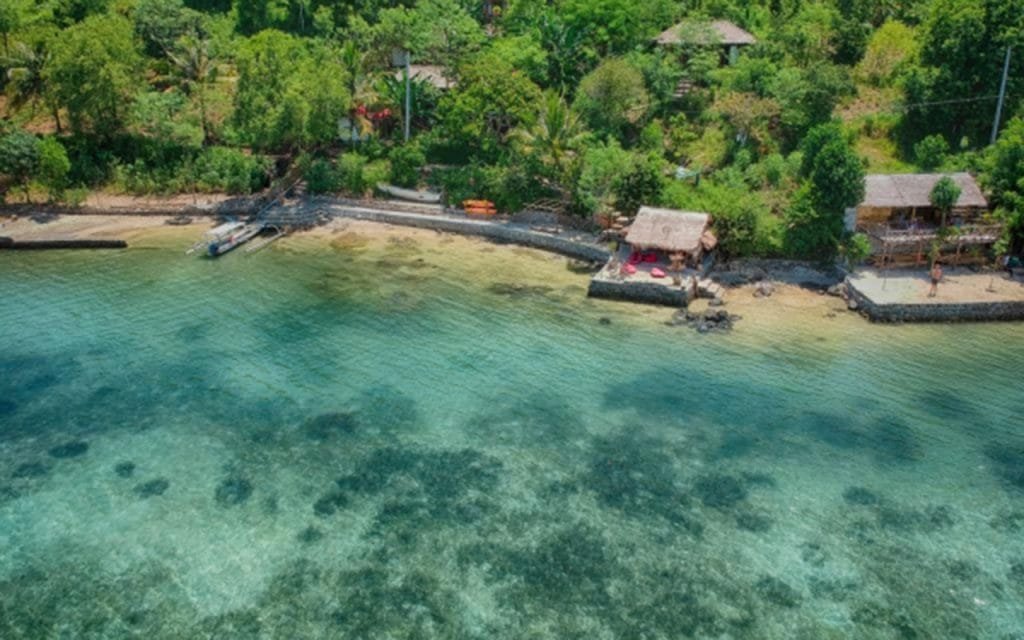
Lombok tourism is synonymous with pristine beaches.
Senggigi Beach is famous for its glowing sunsets and relaxed coastal atmosphere. The coastline curves gently, offering quiet spots perfect for reflection or romantic walks.
Further south, Kuta Mandalika Beach is known for its unique pepper-like sand and turquoise waters. This area has grown into an international tourism hub while still preserving its natural charm.
In the north, the legendary trio — Gili Trawangan, Gili Meno, and Gili Air — forms the crown jewel of Lombok marine tourism. These islands attract divers, snorkelers, and travelers seeking car-free tropical escapes.
Crystal-clear water, vibrant coral reefs, and marine biodiversity make snorkeling in Lombok one of the best underwater experiences in Southeast Asia.
Mount Rinjani: Lombok’s Adventure Icon
No discussion of Lombok travel is complete without Mount Rinjani.
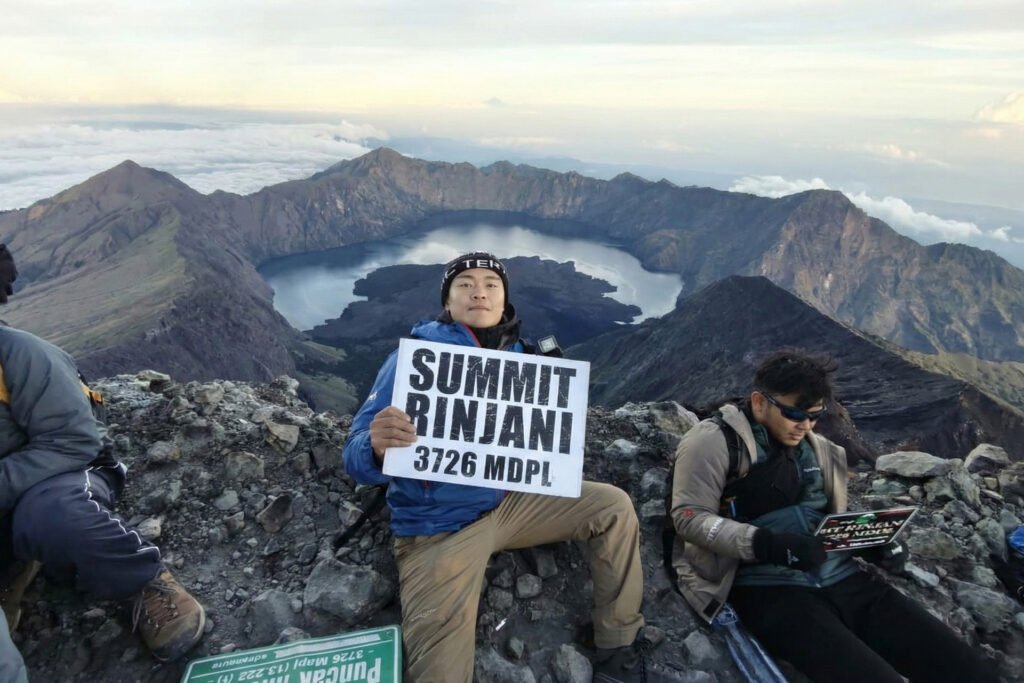
At 3,726 meters, Rinjani is Indonesia’s second-highest volcano and one of the most beautiful trekking destinations in the world. The Mount Rinjani National Park features crater lakes, volcanic landscapes, and panoramic mountain views that feel cinematic.
The emerald crater lake Segara Anak sits like a jewel inside the volcano, surrounded by mist and rugged cliffs. Trekkers from around the world come to challenge themselves and witness sunrise above the clouds.
Climbing Rinjani is not just a physical journey — it’s a spiritual encounter with nature’s power and silence.
Waterfalls and Traditional Villages
Beyond beaches and mountains, Lombok hides lush forests and waterfalls.
Tiu Kelep and Sendang Gile waterfalls near Senaru village cascade through tropical jungle, offering cool mist and natural serenity. These sites are favorite eco-tourism destinations for travelers seeking quiet connection with nature.
Traditional villages such as Sade Village and Ende Village preserve authentic Sasak architecture. Visitors can watch local women weaving traditional textiles, explore ancient houses, and learn about ancestral customs still practiced today.
Here, culture is not a performance — it is daily life.
The Warmth of Lombok’s People and Culture
One of the strongest reasons travelers miss Lombok is its people.
The Sasak community is known for warmth, openness, and hospitality. Conversations in local markets or roadside food stalls often feel like meeting old friends rather than strangers.
Lombok culture is rich in music, festivals, and culinary traditions. Signature dishes include:
- Ayam Taliwang – spicy grilled chicken
- Plecing Kangkung – water spinach with chili sauce
- Sate Rembiga – marinated beef satay
The bold flavors reflect the island’s fiery spirit. Food in Lombok is not just nourishment — it’s identity.
Traditional ceremonies, dances, and rituals continue alongside modern development. This coexistence creates an authentic travel experience rarely found in over-commercialized destinations.
Why Travelers Always Miss Lombok?
Lombok offers something many places have lost: space and silence.
The beaches are quieter than Bali. The skies feel wider. Villages move at a slower rhythm. Travelers often describe Lombok as a place where stress dissolves naturally.
You wake up to ocean air, fall asleep under stars, and spend days surrounded by landscapes untouched by crowds.
After returning home, memories of Lombok resurface unexpectedly — the color of the sea, the laughter of locals, the calm evenings. That’s when the longing begins.
The phrase:
“Don’t visit Lombok… you’ll miss it forever.”
is both a warning and an invitation.
Sustainable Travel in Lombok
As tourism grows, responsible travel becomes essential.
Lombok remains fragile in its beauty. Supporting eco-friendly accommodations, respecting local customs, reducing plastic use, and hiring local guides all contribute to preserving the island’s future.
Travelers who choose mindful tourism help ensure Lombok stays authentic for generations.
Travel 17 Tour Agency: Explore Lombok the Meaningful Way
Traveling with a slow, intentional mindset — what Indonesians call “17 Tour Agency” (a short wander that becomes unforgettable) — perfectly matches Lombok’s spirit.
Lombok is not a destination to rush. It’s a place to breathe, observe, and feel.
Whether you’re hiking volcanoes, diving with turtles, exploring Sasak villages, or watching sunset in silence, Lombok teaches a simple lesson:
The best journeys are not measured in distance, but in how deeply they touch you.
Final Thoughts: Lombok Is More Than a Destination
Lombok is not just a tourist island.
It is a meeting point of history, culture, and raw nature. From Mount Rinjani to the Gili Islands, from ancient villages to modern coastal towns, every corner carries a story.
For travelers seeking more than photos — seeking connection — Lombok offers peace, beauty, and memories that linger long after the trip ends.
So if one day you decide to go…
be prepared.
Because the warning is real:
 English
  Español
  Bahasa Indonesia
  Français
  Deutsch