
7 Crucial Tips for Swimming with Manta Rays Safely
Witnessing giant manta rays glide gracefully through the open ocean is widely celebrated as one of the most magical and deeply moving marine experiences on Earth. Known for their astonishing wingspans, somersaulting acrobatics, high intelligence, and extraordinarily gentle nature, these magnificent ocean giants draw thousands of divers, snorkelers, and eco-travelers every year to world-class marine reserves like Komodo National Park, Raja Ampat, and the Maldives.
Navigating these remote, current-rich waters to spot mantas safely requires specialized local expertise, seamless maritime logistics, and eco-conscious guides. That is where 17 Tour Agency comes in, helping travelers curate unforgettable, hassle-free sailing expeditions and snorkeling tours directly from Labuan Bajo to the most vibrant marine hotspots.
However, sharing the water with wild manta rays in their natural habitat requires careful physical preparation, genuine respect for their biological behavior, and strict adherence to international marine conservation protocols. To ensure your underwater encounter is safe, ethical, eco-friendly, and completely unforgettable, here are 7 crucial tips you need to know before taking the plunge with 17 Tour Agency.
The most fundamental golden rule when interacting with wild manta rays in their natural ocean habitat is simple: “Look, but never touch.”
Maintain Minimum Distance: Always keep a strict minimum distance of 3 to 4 meters (10 to 13 feet) away from any manta rays you encounter. Give them plenty of open water to swim freely without feeling cornered.
Why Touching Manta Rays is Harmful: The skin of manta rays is coated with a protective slime layer (mucus coat) that serves as their immune system, shielding them from marine bacteria, parasites, and infections. Human hands can easily wipe away this protective layer, leaving individual manta rays highly vulnerable to severe diseases and skin infections.
Keep Hands to Yourself: Even if curious manta rays glide very close to you, resist the urge to reach out. Respecting the physical space of manta rays ensures they remain comfortable around humans without stress.
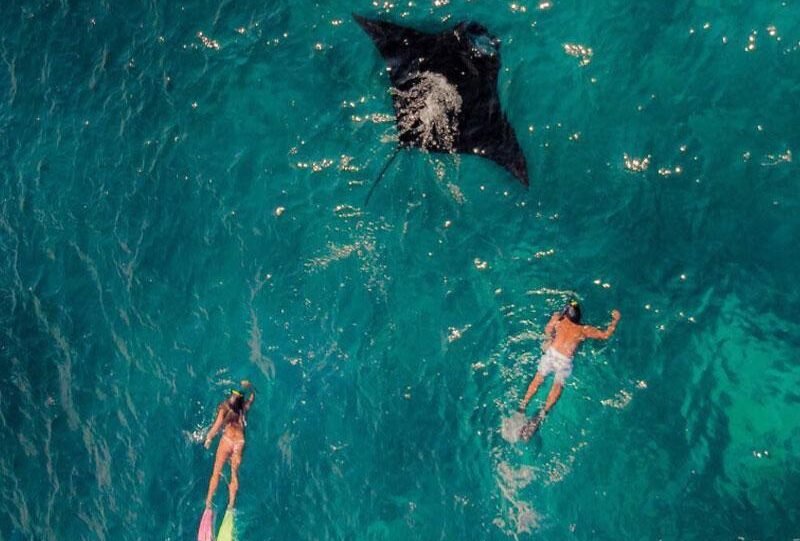
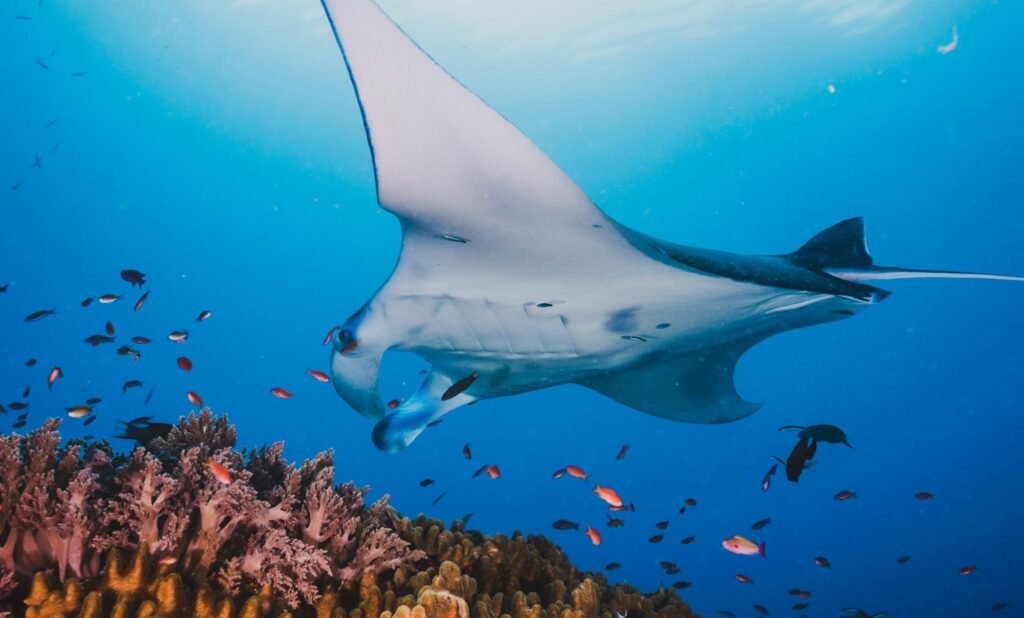
How you enter the water plays a massive role in whether manta rays stay in the area or swim away immediately. Manta rays are extremely sensitive to sudden vibrations and loud noises in the water.
Avoid Loud Splashes: When your tour boat reaches a known manta ray feeding site or cleaning station, avoid jumping in with heavy splashes like a giant stride jump, cannonball, or violent forward entry.
Practice Quiet Entry (Soft Entry): Gently slide into the water off the boat’s ladder or side platform. Keep your fins underwater and avoid excessive splashing with your legs.
Stay Calm at the Surface: Once in the water, adjust your mask and snorkel quietly. A calm arrival keeps manta rays relaxed, allowing you to enjoy a much longer and more rewarding experience watching manta rays swim naturally.
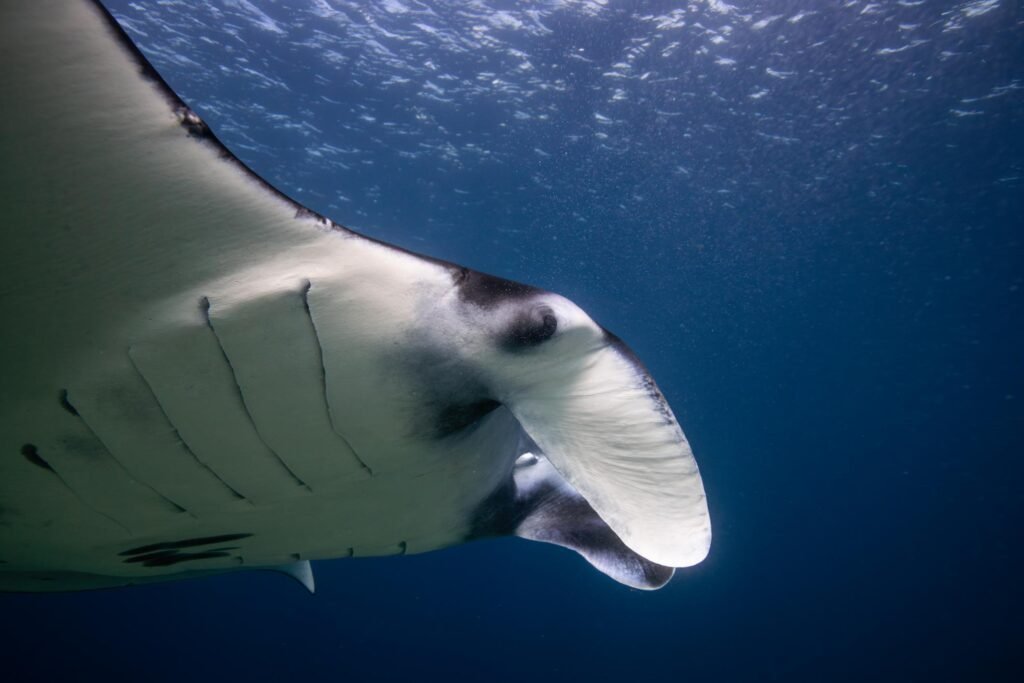
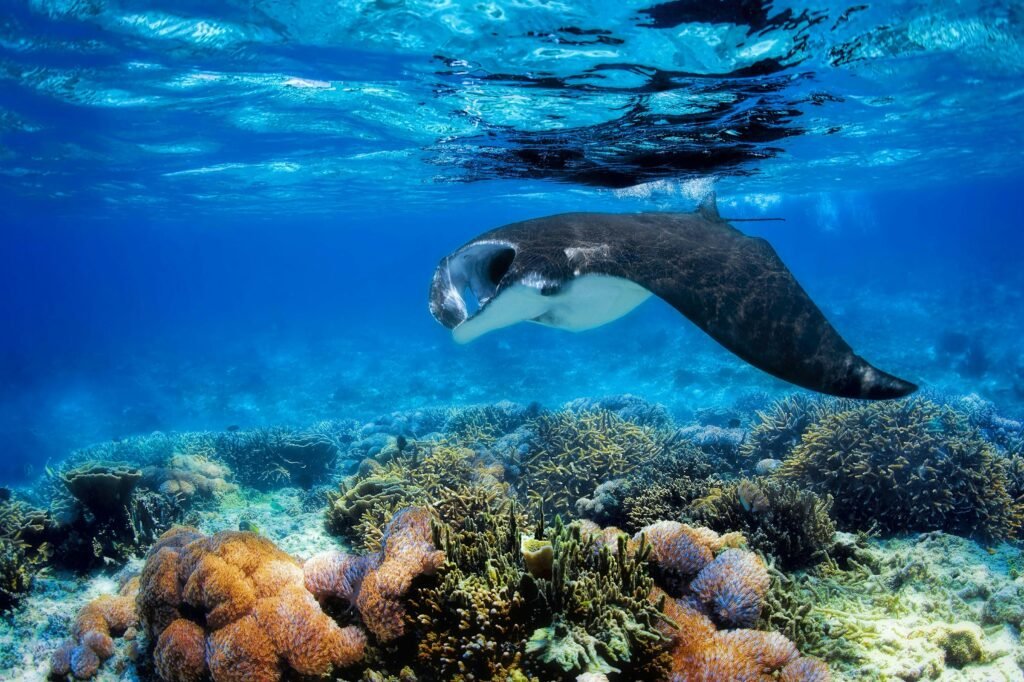
When snorkeling near manta rays, floating calmly on the surface is essential to preserving their natural behaviors. Manta rays often visit specific underwater cleaning stations shallow reef areas where small cleaner wrasse fish pick parasites off the skin of manta rays.
Respect Manta Ray Cleaning Stations: Never freedive directly down into a active cleaning station when manta rays are getting cleaned. Interrupting this process forces manta rays to leave before completing their hygiene routine.
Avoid Approaching Manta Rays from Above: Descending directly on top of manta rays mimics the behavior of natural predators like large sharks, causing manta rays to panic and flee into deep water.
Observe Manta Rays from the Surface: Stay floating horizontally at the surface. By remaining passive, you become a neutral observer, and curious manta rays will often loop back to inspect you on their own terms.
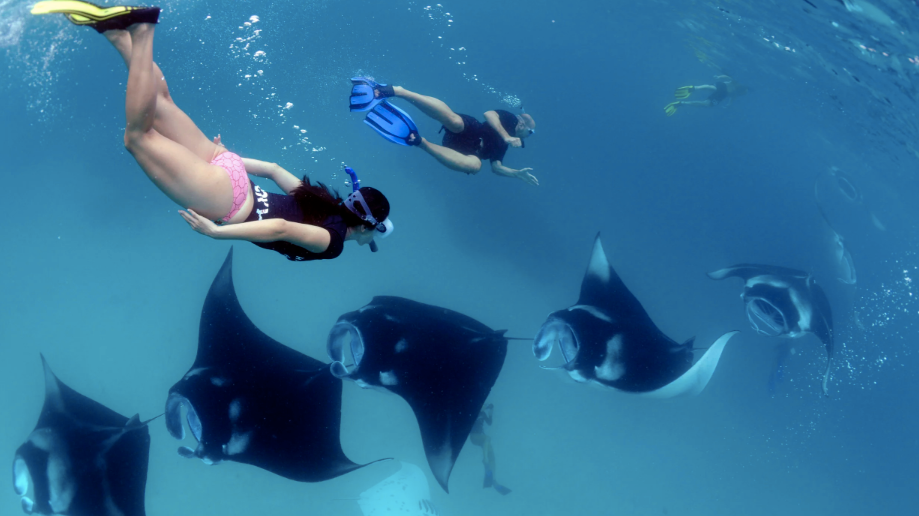
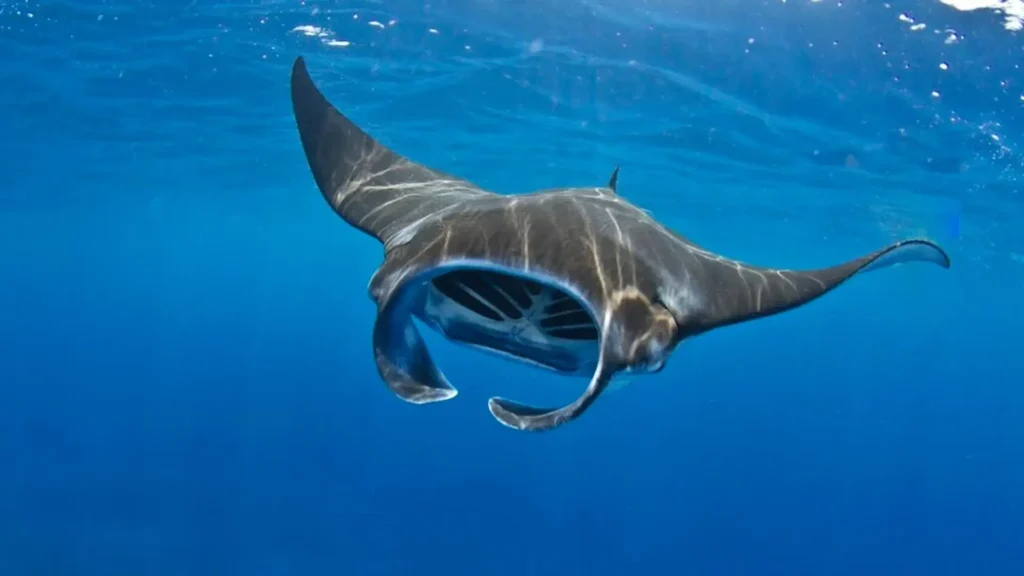
Capturing stunning underwater photos and videos of manta rays is a highlight for most travelers, but underwater photography must be done responsibly so as not to harm or disturb the manta rays.
Turn Off Flash and Strobes: Always turn off internal camera flashes, external strobes, and bright video lights when photographing manta rays.
Prevent Disorientation: Sudden bright flashes of artificial light in dark or deep water can startle manta rays, temporarily blind them, and disrupt their sensory navigation systems.
Use Ambient Natural Light: Rely on natural sunlight penetrating the water surface for your shots. Keep selfie sticks, monopods, and large camera rigs at a safe distance away from the faces and cephalic fins of manta rays.
Manta rays are filter feeders that swim in long, elegant, somersaulting patterns to channel plankton-rich ocean water into their large mouths. Blocking their movement disrupts their ability to feed efficiently.
Give Manta Rays Room to Maneuver: Always observe the direction manta rays are swimming and position yourself to the side. Never stand or float directly in front of their swimming trajectory.
What to Do If Manta Rays Approach You: If a giant manta ray swims directly toward your position, remain completely still and stay horizontal in the water. Manta rays are master navigators and will effortlessly glide over or around you if you do not make sudden, frantic movements.
Never Chase Manta Rays: Chasing after manta rays with fins or underwater scooters causes them severe stress and guarantees they will swim away fast, ruining the viewing experience for everyone in your group.
Protecting the ocean environment where manta rays feed and live is just as critical as how you behave in the water. Common chemical sunscreens contain toxic ingredients that damage marine habitats.
Avoid Harmful Chemicals: Standard sunscreens often contain chemicals such as oxybenzone, octinoxate, und butylparaben, which bleach coral reefs and poison plankton—the primary food source for manta rays.
Choose Certified Reef-Safe Sunscreen: Always apply non-nano mineral sunscreens made with Zinc Oxide or Titanium Dioxide at least 20 minutes before entering the water.
Wear Protective UV Swimwear: The eco-friendly alternative to sunscreen is wearing long-sleeved rashguards, dive skins, or full wetsuits. This provides complete sun protection while keeping chemical pollutants entirely out of the manta ray environment.
Protecting the ocean environment where manta rays feed and live is just as critical as how you behave in the water. Common chemical sunscreens contain toxic ingredients that damage marine habitats.
Avoid Harmful Chemicals: Standard sunscreens often contain chemicals such as oxybenzone, octinoxate, und butylparaben, which bleach coral reefs and poison plankton—the primary food source for manta rays.
Choose Certified Reef-Safe Sunscreen: Always apply non-nano mineral sunscreens made with Zinc Oxide or Titanium Dioxide at least 20 minutes before entering the water.
Wear Protective UV Swimwear: The eco-friendly alternative to sunscreen is wearing long-sleeved rashguards, dive skins, or full wetsuits. This provides complete sun protection while keeping chemical pollutants entirely out of the manta ray environment.
Whether you are on a day trip or a week-long liveaboard cruise, local divemasters and boat captains possess invaluable knowledge about local manta ray behavior, currents, and safety rules.
Attend Pre-Dive Safety Briefings: Listen attentively to the trip briefing provided by your tour operators before jumping into the water with manta rays.
Understand Local Ocean Currents: Areas frequented by manta rays often feature strong ocean currents and upwellings. Your guide will explain how to handle currents safely while keeping your eyes on the manta rays.
Follow Guide Signals Instantly: If your guide signals for you to pull back, move to a different area, or exit the water due to changing weather or marine conditions, follow their commands immediately to ensure your safety and the well-being of the manta rays.
Experiencing the awe-inspiring beauty of manta rays in the wild is a privilege that comes with great responsibility. By choosing eco-friendly operators like 17 tour agency partners and adhering to these 7 crucial safety guidelines, you help preserve wild manta rays for generations to come. Respect their ocean environment, keep your distance, practice patience, and enjoy every second of swimming alongside these incredible manta rays!
Spezielles Angebot Nur Für Sie !
Sehen Sie sich Unser Video auf YouTube an



 English
  Español
  Bahasa Indonesia
  Français
  Deutsch