5 Essential Things You Must Know Before Visiting Komodo National Park

Planning an expedition to the world-renowned Parc National De Komodo requires a fundamentally different level of preparation compared to booking a standard tropical beach holiday. Nestled within the Wallacea region just off the coast of Labuan Bajo, East Nusa Tenggara, this sprawling UNESCO World Heritage Site and New 7 Wonders of Nature finalist encompasses a wild, meticulously protected ecosystem governed by strict environmental conservation laws, rugged volcanic terrain, and notoriously intense equatorial weather conditions.

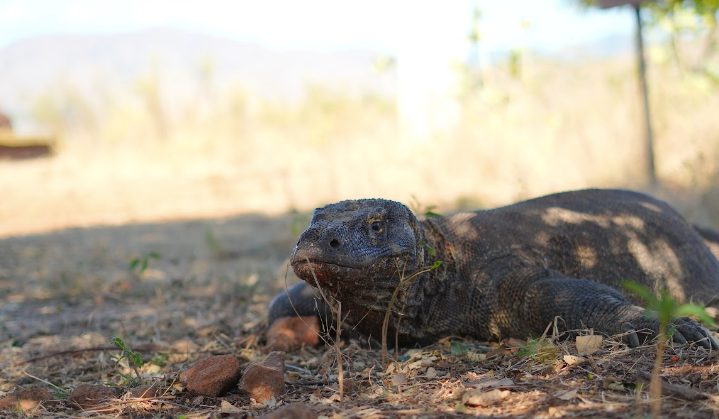
Spread across major landmasses such as L'Île De Komodo, Rinca Island, and L'Île De Padar alongside dozens of smaller, uninhabited islets the park serves as the sole remaining sanctuary on Earth for the prehistoric Komodo dragon (Varanus komodoensis). Beyond its legendary terrestrial apex predators, the park’s marine perimeter cradles one of the richest coral reef biodiversity zones in the Coral Triangle, making it a bucket-list destination for globally intrepid travelers, scuba divers, and eco-adventurers alike.

However, venturing into such an isolated, highly regulated natural reserve means that spontaneous travel choices can lead to unexpected logistical hurdles, safety risks, or missed opportunities. From understanding strictly enforced ranger protocols and navigating daily entry quotas to preparing for severe oceanic sun exposure and zero-connectivity zones, thorough foresight is the key to a smooth journey.

To ensure a completely seamless, safe, and truly unforgettable adventure across the Flores archipelago, here is the ultimate comprehensive guide covering every critical detail you must know before stepping foot in Parc National De Komodo.
Parc National De Komodo

Entry into Parc National De Komodo is strictly regulated under a daily visitor quota system managed by the local government and national park authorities to prevent the negative impacts of overtourism. Travelers are strongly advised to secure their entrance permits and register well in advance through official online portals or licensed travel agencies based in Labuan Bajo.

When budgeting for your trip, keep in mind that the total entry cost consists of several separate mandatory fees:

  • National Park Entrance Ticket: Varies between domestic and foreign tourists, with higher rates applied on Sundays and national public holidays.

  • Local Government Retribution Fee: An administrative fee levied by the West Manggarai Regency.

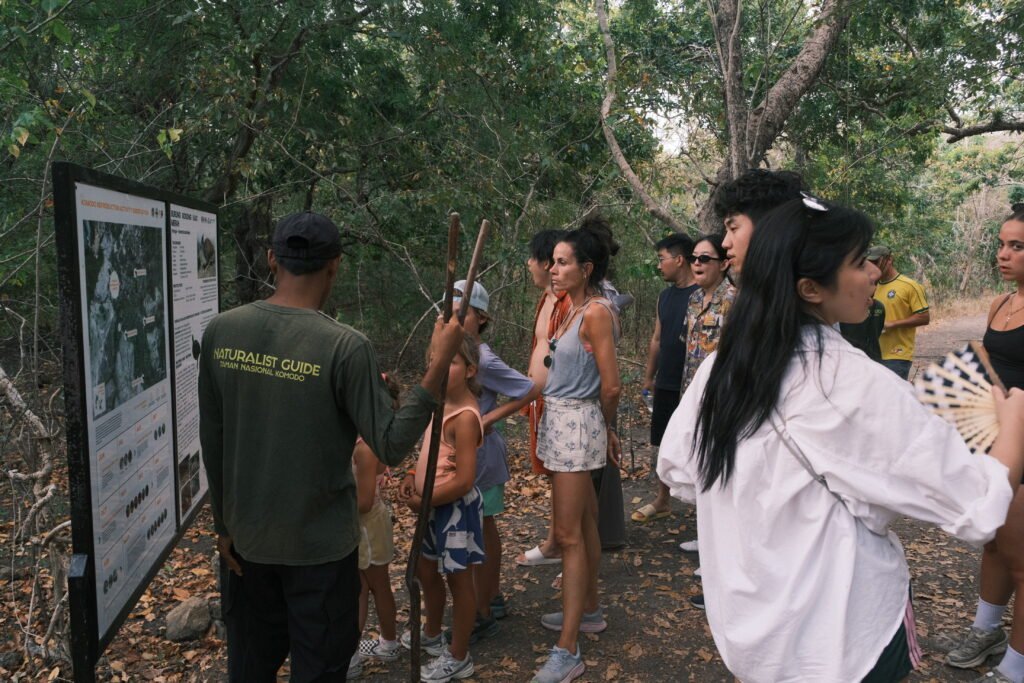
  • Local Ranger / Guide Fee: Mandatory at major trekking posts such as Loh Liang (Komodo Island) and Loh Buaya (Rinca Island).

  • Activity Permits: Additional specific fees apply for activities like snorkeling, scuba diving, drone flying, and night trekking.

Crucial Tip: Always carry sufficient physical cash in Indonesian Rupiah (IDR). There are no ATMs or cashless electronic payment facilities on any of the islands within Parc National De Komodo due to limited connectivity.

Parc National De Komodo

2. Understanding Komodo Dragon Safety Protocols and the Vital Role of Rangers

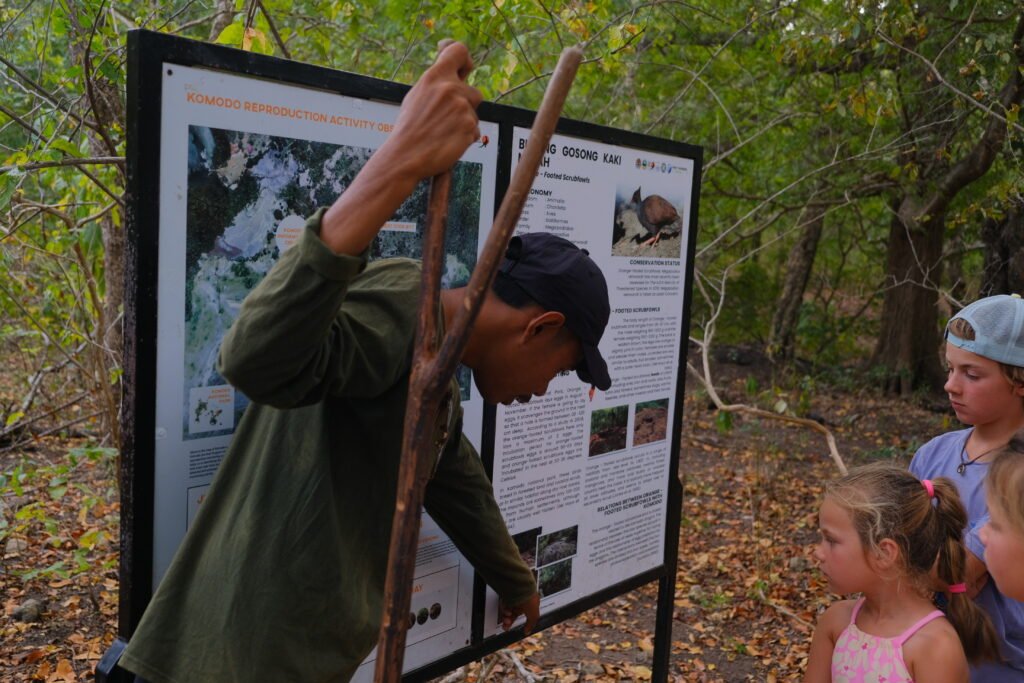
  • Always Stay in the Group: Never wander off alone or walk ahead of your ranger, who carries a traditional bifurcated wooden stick (forked stick) used to maintain distance from approaching dragons.
  • Report Menstruation Prior to Trekking: Female visitors who are currently on their menstrual period must inform the ranger team before starting the trek. Komodos are hyper-sensitive to blood scents. Rangers will provide extra security supervision or guide you along safer, shorter trekking routes.
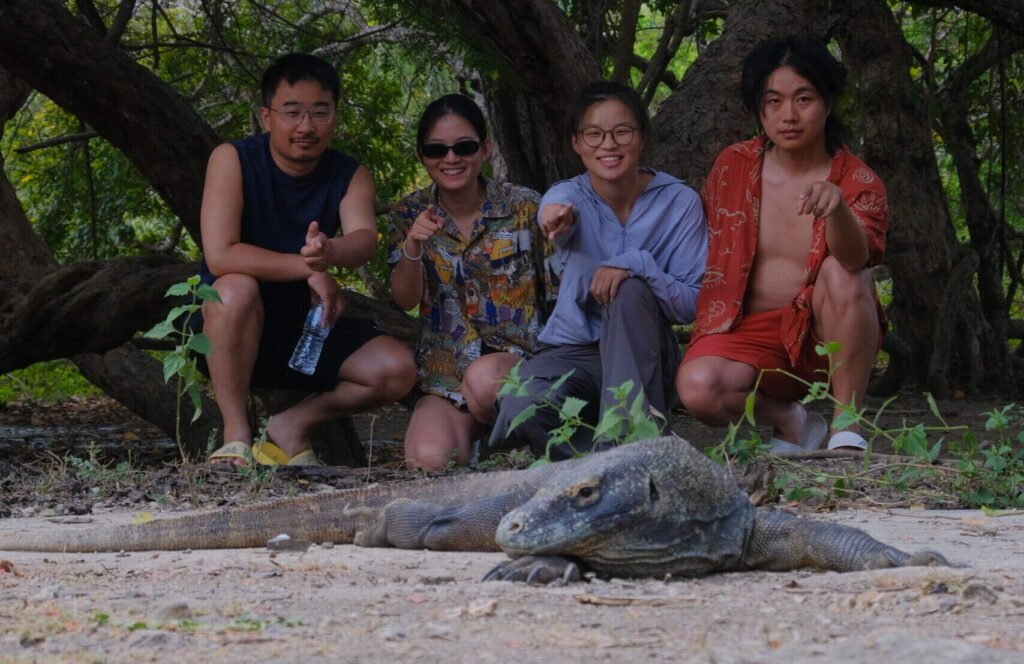
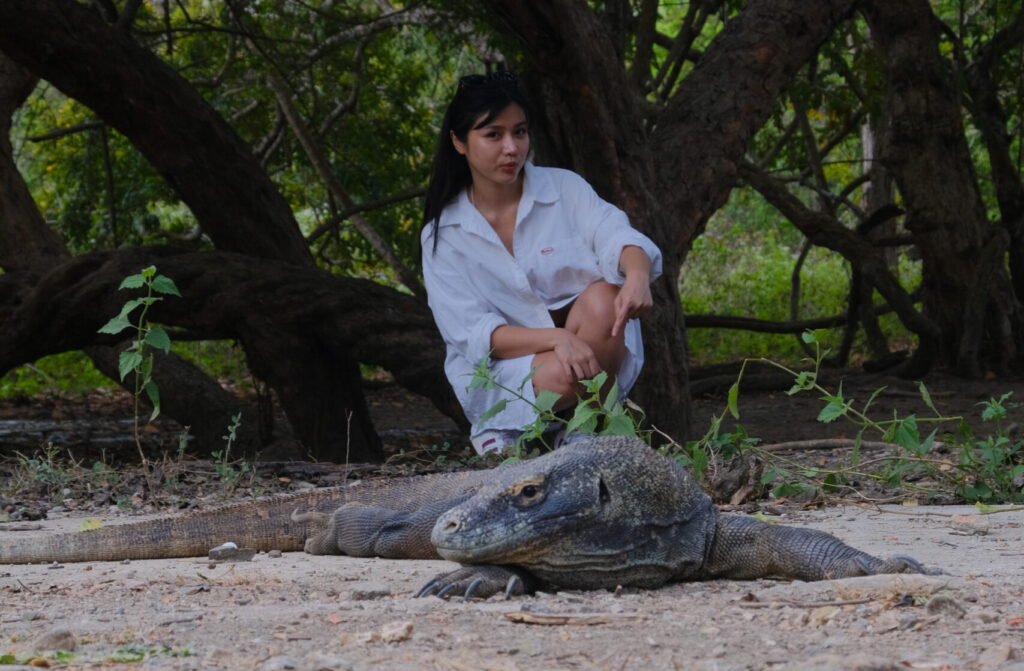
  • Maintain a Safe Distance: Never attempt to touch, feed, or corner a Komodo dragon. Keep a minimum safe distance of 3 to 5 meters at all times, especially when posing for photos.
  • Avoid Sudden Movements and Loud Noises: If a dragon unexpectedly moves toward you, do not panic or run frantically. Keep calm, refrain from making loud sounds, and back away slowly as instructed by your ranger.

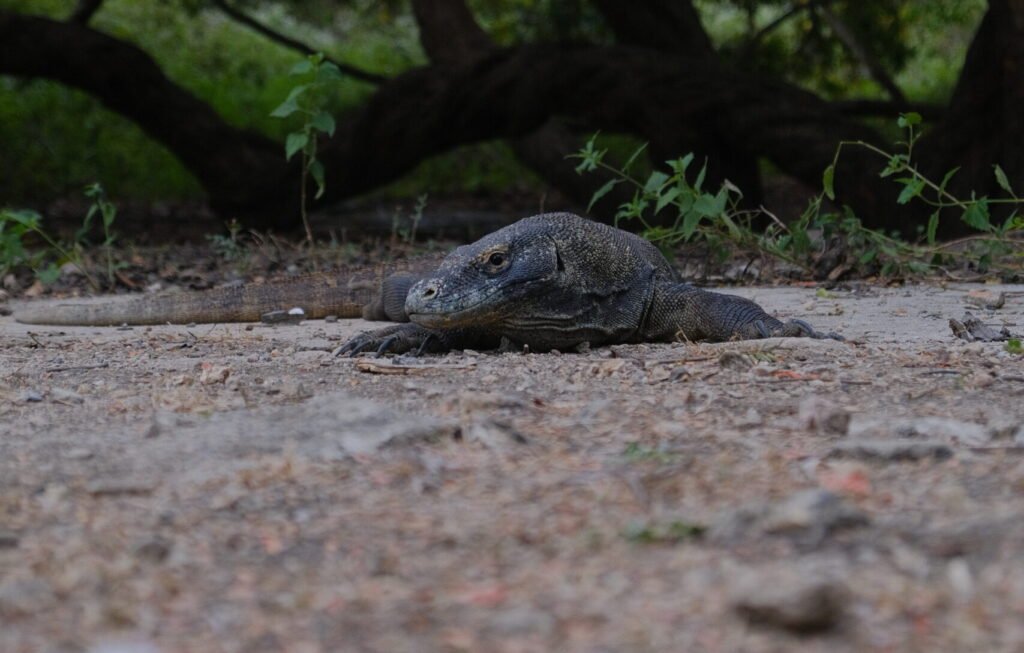
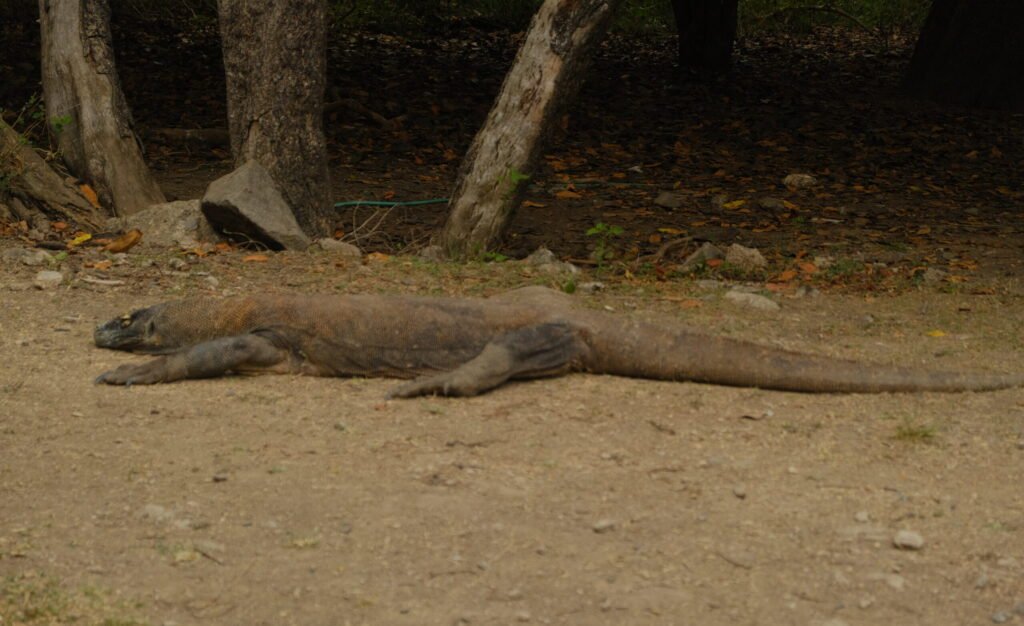
    The Komodo dragon (Varanus komodoensis) is an apex predator equipped with a lethal bite containing venom glands and septic bacteria. These ancient reptiles possess incredibly sharp senses, capable of detecting the scent of blood from several kilometers away. Because they are wild, unpredictable, and territorial animals, your personal safety depends entirely on following the strict guidance of your assigned ranger.

    Key safety rules during trekking in Parc National De Komodo:

Parc National De Komodo

The world-famous pink beaches located on Komodo Island and Padar Island (Long Beach) derive their rare hue from microscopic organisms called Foraminifera mixed with crushed red coral fragments. Because this ecosystem is highly fragile, removing any natural materials from Parc National De Komodo is a serious federal offense.

Environmental rules every visitor must strictly follow:

  • Zero Tolerance for Removing Sand or Shells: Pocketing pink sand, taking dead coral fragments, or collecting seashells as souvenirs is strictly illegal. Baggage is thoroughly scanned at airports and harbors, and violators face severe fines and legal penalties.

  • Use Reef-Safe Sunscreen: Conventional sunscreens containing harmful chemicals like oxybenzone et octinoxate cause severe coral bleaching. Use eco-friendly, mineral-based, reef-safe products.

  • Do Not Step on Live Coral: While snorkeling or swimming along Pink Beach, remain floating horizontally on the water surface. Avoid standing on, kicking, or touching living coral beds with your fins.

  • Pack In, Pack Out (Zero Waste): There are no public trash bins on the islands within Parc National De Komodo to prevent wildlife from ingesting plastic waste. All personal trash must be stored in your bag and brought back to your boat or Labuan Bajo.

4. Physical Preparation, Gear Essentials, and Preparing for Extreme Weather

The landscape of Parc National De Komodo is dominated by arid savanna hills, exposed volcanic terrain, and intense tropical heat. Trekking routes, particularly the iconic peak trail on Padar Island, involve ascending hundreds of steep, uneven stone steps under direct sunlight.

Essential items and physical preparations to make beforehand:

  • Proper Footwear: Wear sturdy trekking shoes or high-traction sports sandals. Do not attempt to hike the hills of Padar Island or Komodo Island in slippery flip-flops or open-toed casual slides.

  • Sun & Heat Protection: The sun in the Flores Sea can be punishingly hot. Bring a wide-brimmed sun hat, UV-blocking sunglasses, breathable lightweight clothing, and high-SPF reef-safe sunscreen.

  • Hydration Supplies: Bring a reusable water flask or tumbler containing plenty of fresh drinking water to avoid severe heat exhaustion and dehydration during hikes.

  • Motion Sickness & Personal Medication: Crossing the open waters between Labuan Bajo and Parc National De Komodo can involve rough sea swells depending on the tide. Bring sea-sickness tablets (dimenhydrinate) and any personal prescription medicine.


5. Navigating Limited Cellular Signal, Electricity, and Life Onboard

The islands comprising Parc National De Komodo are remote and largely unpopulated, meaning telecommunications infrastructure is minimal. Managing your expectations regarding onboard amenities and digital connectivity will help you enjoy an uninterrupted island-hopping experience.

What to expect regarding island connectivity and vessel facilities:

  • Sporadic Mobile Coverage: Expect frequent mobile network dead zones (blank spots). Limited signal (primarily Telkomsel) is usually only accessible near main harbors or at the highest elevated peaks, such as the summit of Padar Island.

  • Manage Your Power Supply: On many traditional wooden boats and liveaboard (LOB) vessels, power generators operate primarily during the evening and night hours. Charge your devices whenever power is active, and carry high-capacity power banks and extra camera batteries.

  • Freshwater Conservation: Fresh water on boats is stored in finite holding tanks. Use water conscientiously when showering and rinsing off after ocean swims to ensure there is enough supply for the entire journey.

Plan Your Ultimate Komodo National Park Adventure with 17 Tour Agency

Visiting Parc National De Komodo is truly a once-in-a-lifetime expedition that demands proper planning, reliable local logistics, and expert guidance. From navigating daily visitor permits and securing comfortable sailing vessels to ensuring your safety around wildlife with certified local rangers, having a trusted travel partner makes all the difference for an unforgettable trip.

Ready to explore the breathtaking vistas of Padar Island, walk on the iconic Pink Beach, and meet the prehistoric Komodo dragons in their natural habitat? Let 17 Agence De La Tour take care of all your travel logistics, sailing itineraries, and tour arrangements from Labuan Bajo.

Visit our official website at 17 Agence De La Tour to discover our premium sailing packages, private charters, and open trips to Parc National De Komodo today!

Souhaitez travailler et Gagner de l'Argent avec Nous?

Retour en haut